STORYTELLING VS BRANDTELLING
and as a brand, why you need to be doing both
Jordana Ripp | 22/2/26
Storytelling has become one of the most overused words in marketing. Every brand claims to be telling stories. Every agency deck promises more authentic narratives. The assumption seems to be that if a campaign feels emotional or cinematic enough, the job is done.
But I think we’ve flattened the concept. The issue isn’t that brands aren’t storytelling, many are, the issue is that most brands treat storytelling as an output rather than as a voice structure.
Storytelling is a moment, brandtelling is a ethos and that distinction matters more than it ever has.
After years working inside studio marketing, one thing is evergreen: entertainment does not rely on isolated stories. It builds narrative ecosystems, there is pacing, there is escalation, there is character development, anticipation, and aftermath. Campaigns shouldn’t be standalone ideas, they are chapters in emotional brand positioning.
When brands say they are “storytelling,” what they usually mean is that they have created a compelling campaign. That campaign may be beautifully executed, it may resonate deeply, it may perform well, but when it ends, the narrative often ends with it. The brand returns to promotional content, product drops, reactive trends, and disconnected messaging. The emotional continuity disappears and nothing compounds.
Brandtelling requires overarching continuity. It forces a brand to ask what narrative tension it consistently explores. What identity it reinforces over time. What emotional territory it owns regardless of campaign theme. It’s less about crafting one strong story and more about building a narrative spine that everything attaches to.
Nike is a great example of this distinction.
People often point to powerful campaigns like “Dream Crazy” as evidence of Nike’s storytelling strength. And yes, those moments matter. But Nike’s brand equity is not built on a single campaign.
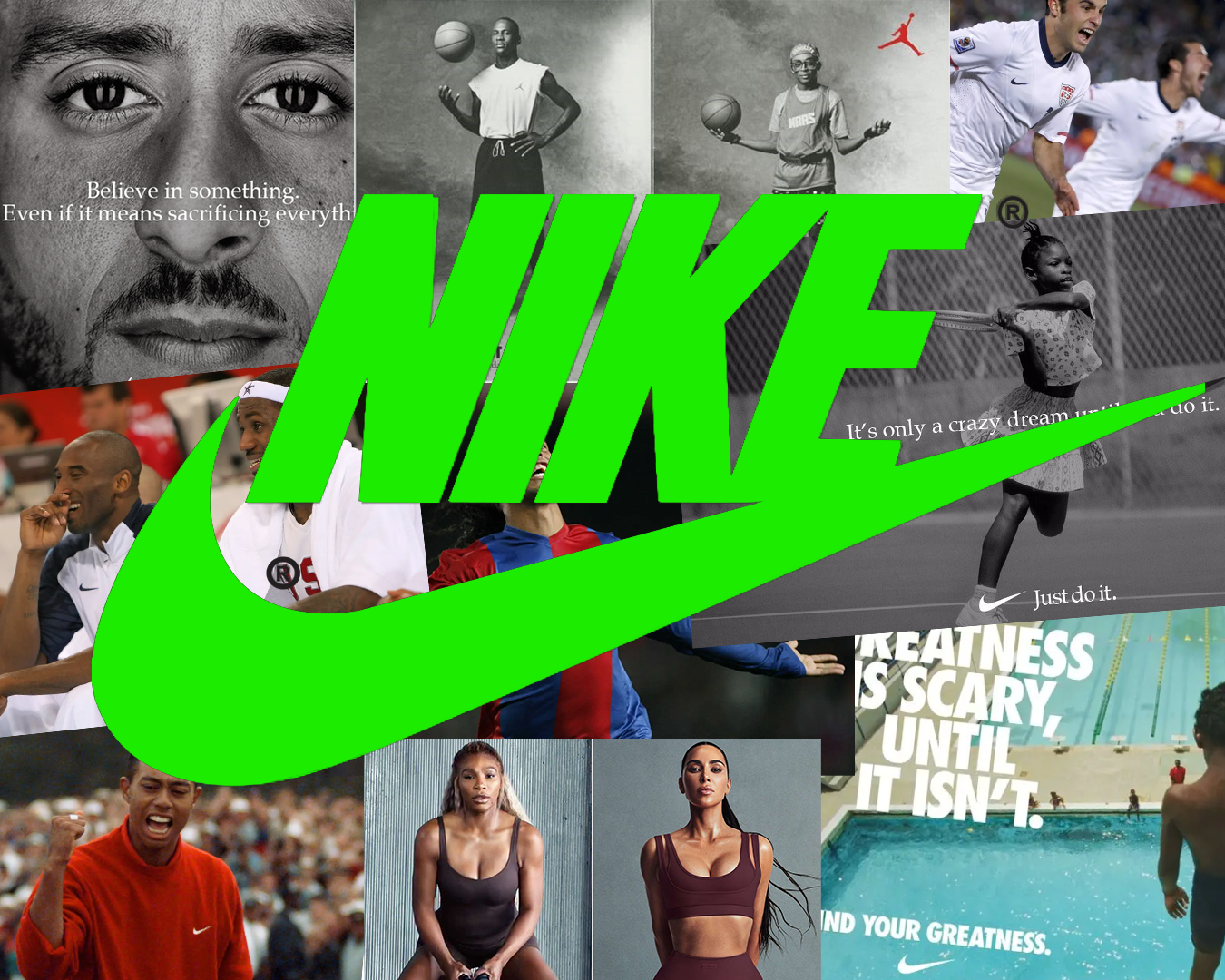
It is built on a long-running narrative that plays out in real time.
The core tension rarely changes: The athlete versus doubt, the pursuit of greatness despite limitation, the internal battle against expectation. That emotional territory has remained consistent for decades.
What makes it brandtelling is that this narrative does not live only in advertising. It unfolds on the court, on the track, in arenas around the world through Nike’s sponsored athletes. Their careers become part of the brand’s ongoing season. A comeback becomes a plot turn. A championship becomes a finale. A new signing introduces a fresh protagonist.
Nike does not invent new emotional territory every quarter. It extends the same one, using real-world events as narrative fuel. That is not campaign thinking, that is entertainment thinking applied to brand.
The toy category offers a different but equally strong example.
Toys are perhaps the purest form of brandtelling because they invite the consumer to create the narrative themselves. A toy on its own is static, the story comes from the child, characters are imagined, conflicts are invented, worlds are built and emotional attachment forms through projection.
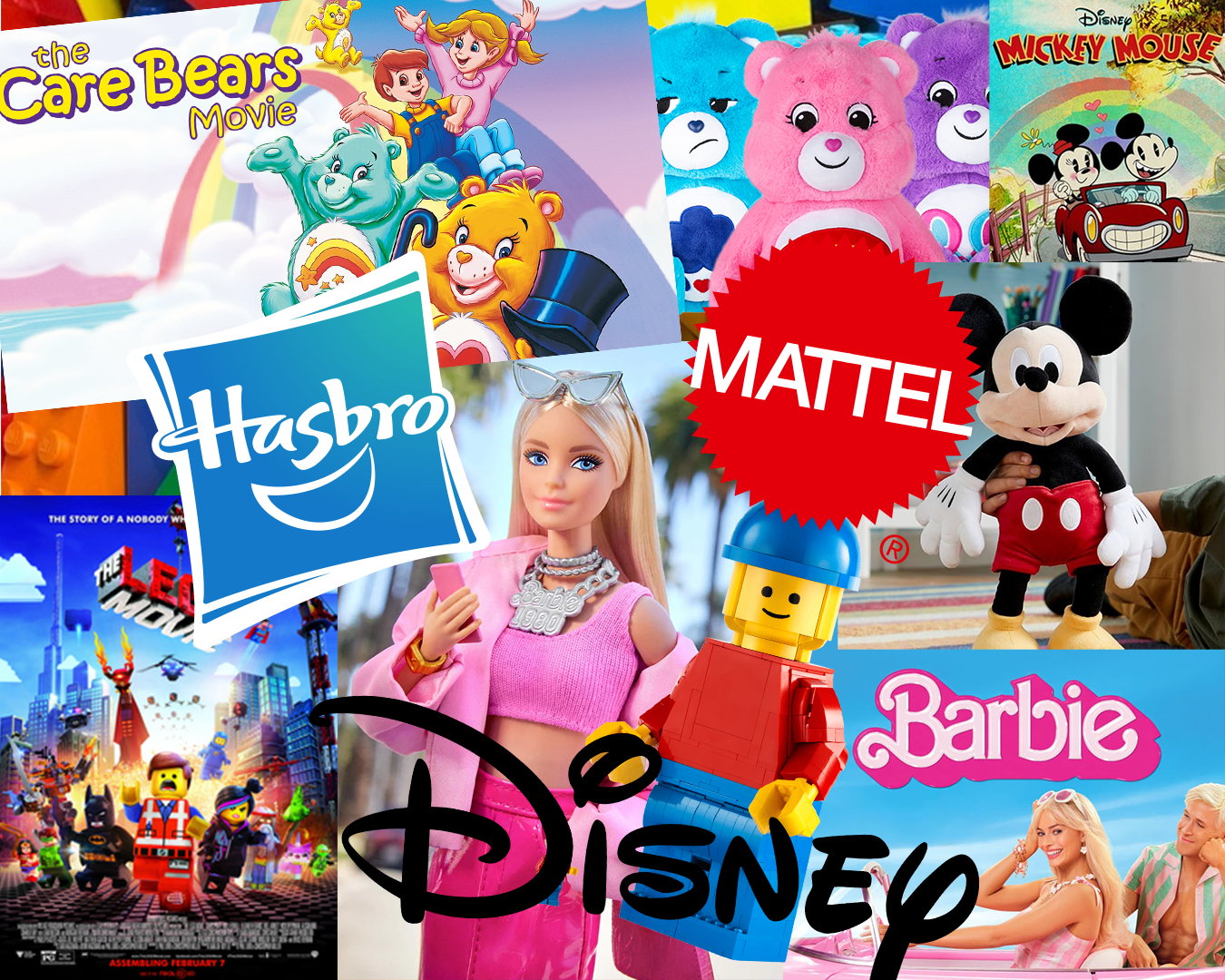
Barbie has operated within that dynamic for decades. Generations have attached their own evolving stories to the brand. Barbie has represented aspiration, criticism, reinvention, nostalgia. Each era reshapes her slightly, but the mythology remains alive because consumers participate in it.
When the 2023 Barbie film campaign launched, it did not have to manufacture emotional connection from scratch. It tapped into decades of accumulated narrative memory with the toys already having lived in the imagination of its audience. The film amplified that mythology and the distributed content, collaborations, fashion moments all fed into the same ecosystem.
The toy sells the show. The show sells the toy. The mythology strengthens both. That is brandtelling functioning across mediums.
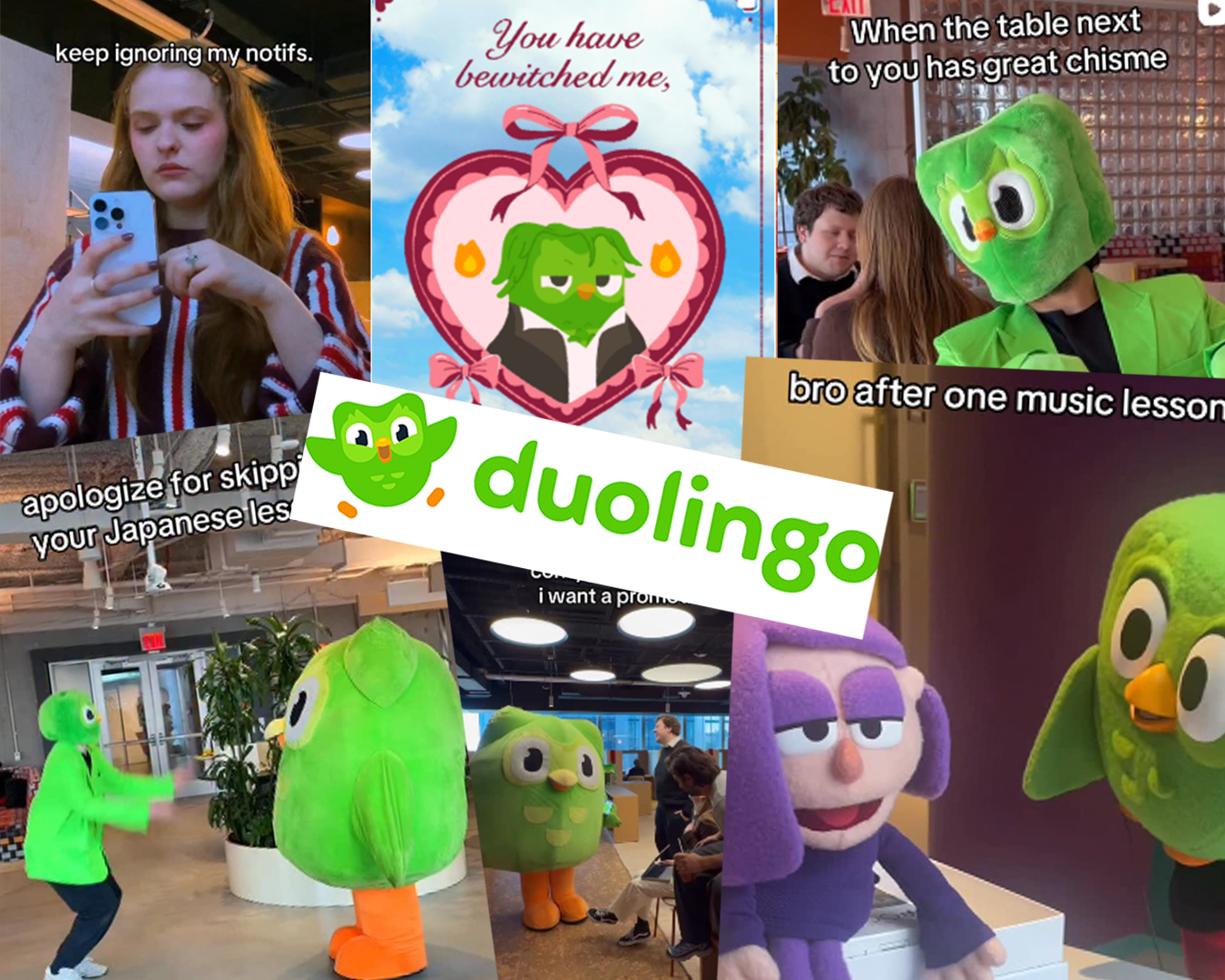
Duolingo demonstrates how this works in a more modern, digital-native way.
On the surface, each Duolingo post stands alone. There is a setup, a cultural reference, a joke, but the owl mascot is not reset each week. Its personality remains consistent, its behavior feels predictable in the best way. The audience understands the character’s motivations and tone.
Over time, you are not just watching clever content, you are watching a recurring character navigate situations that feel culturally relevant and relatable. The posts feel episodic because the identity remains stable. Duolingo could have chosen to market language learning through efficiency and product features. Instead, it built a narrative identity that compounds across short-form content.
If you can only take away one thing from this to apply to your marketing strategy it should be that storytelling creates powerful campaign moments and brandtelling creates emotional continuity. One wins attention briefly, the other builds attachment. In a compressed attention environment, that difference is significant.
Social platforms have changed how quickly people decide whether something deserves their time. That does not make story less important, it makes structure more important. Emotional connection no longer forms through repetition alone. It forms through coherence.
Brands that rely on isolated storytelling may continue to produce strong work, but without a consistent narrative spine, that work rarely compounds into cultural gravity or consumer/audience conversion.
If storytelling is about creating a compelling moment, brandtelling is about building a world people want to return to and in an environment where attention is selective, the brands that build worlds are the ones that last.
Want to know more? Drop me a line at jordana@unscripptedcreative.com ⚡️